Introduction
Every language learner knows the feeling – you’ve learned so much, yet you hesitate to speak. You’re afraid of making mistakes, of being laughed at, of being “wrong.”
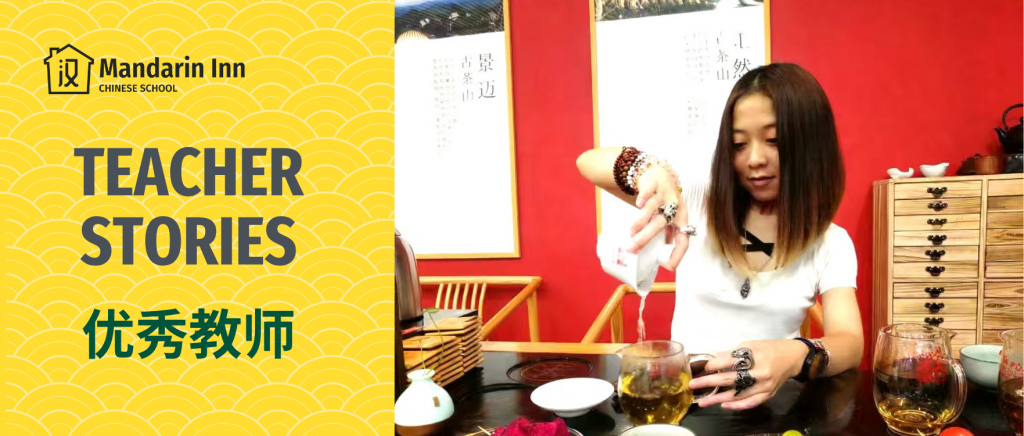
Inside Mandarin Inn’s century-old heritage villa, one teacher often tells such students: “It’s okay – Chinese, a lot of the time, depends on the situation.”
She didn’t study Chinese literature, nor did she graduate from a teaching college. Instead, she used to work in design and creative roles at 4A advertising agencies in Thailand and China.
And now, she stands in a Chinese classroom, bringing a creative professional’s perspective to teaching and learning.

Self Introduction
I’m Shen Haojia. I graduated from Assumption University in Thailand. My degree was in Visual Communication Arts. After that, I worked in design and creative roles at 4A advertising agencies. In fact, I spent years working in both Thailand and China.
It might sound far removed from Chinese teaching, but she doesn’t see it that way.
“Advertising and language teaching both require discovering your audience’s pain points and insights, and finding the right way to communicate with them.“
What the creative industry taught her wasn’t how to teach – it was how to understand people. And that later became the core of her classroom.
First Teaching Experience
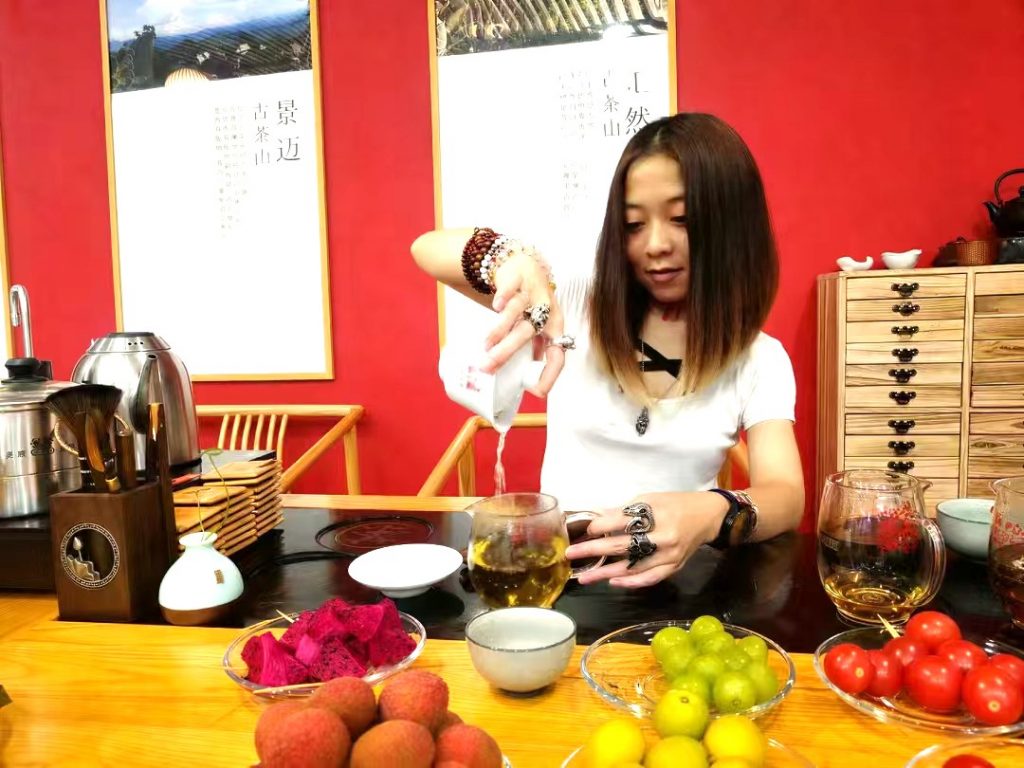
Her first students were two international students – one from Germany, one from Italy.
“They were curious about their new environment and shared a lot of how they felt. That session was less a class and more an exchange.”
In fact, that experience made her realize something important: knowing how to teach and actually being able to teach are two different things.
Think about it. The former is theory. But the latter requires facing a real person – understanding his confusion, his needs, and why he’s sitting in front of you.
Learning Chinese Effectively
Ask her about the secret to learning Chinese, and her answer is unexpectedly off-script.
In my opinion, ‘understanding’ is key – understanding why students learn, how they’ll use it, and also understanding the language itself.
For example, She meets many students who are too worried about being “correct” to speak at all. And to them, she always says the same thing.
“It’s okay – Chinese, a lot of the time, depends on the situation. Just say it first. That’s where mutual understanding begins.“
In her view, difficulty isn’t a barrier. Instead, it’s an opportunity. Learning a language isn’t about stuffing knowledge into your head. Rather, it’s about truly speaking it.
Life Beyond Teaching
Outside the classroom, Shen Haojia leads a rich life.
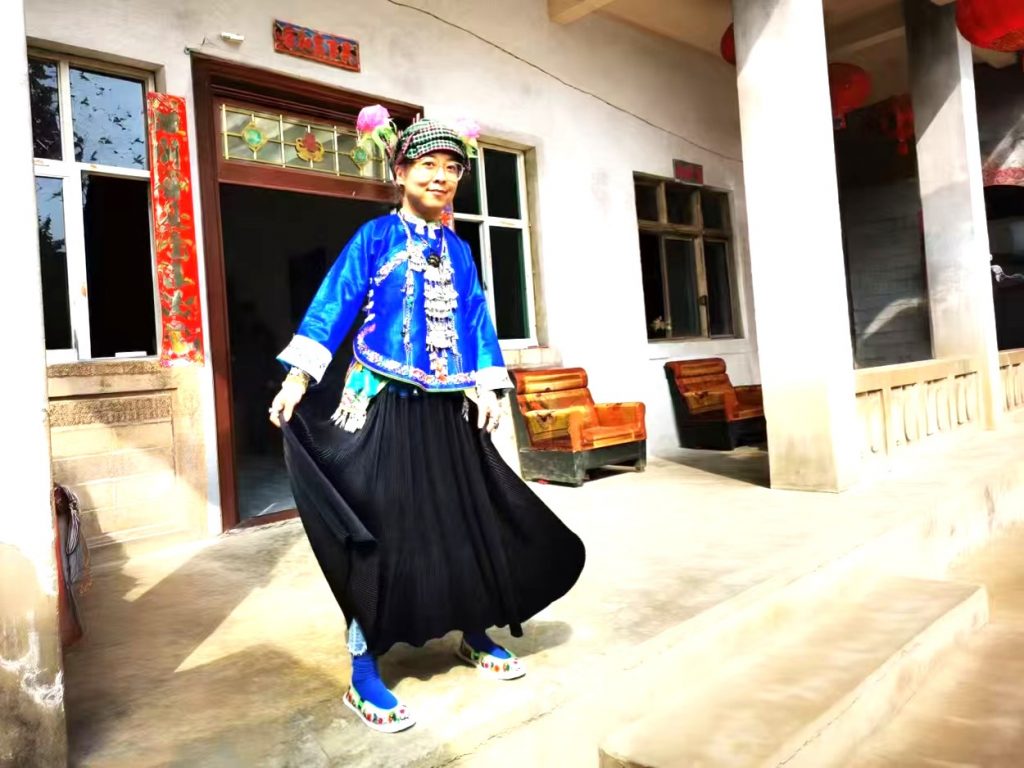
“I love reading, cooking, and exploring – especially foods and cultures from different places. Growing up in Yunnan’s diverse ethnic minority environment kept that passion alive.”
And here’s the connection. These interests aren’t irrelevant to her teaching. On the contrary.
“It helps me understand my students better, and it lets me show them the real, diverse China.”
Teaching at Mandarin Inn
“I love Mandarin Inn’s relaxed, open atmosphere, and I love the local character of this heritage villa. Every time I walk in and sit down, it doesn’t feel like I’m here just to teach a class – it feels like a place for real conversation.”
Beyond that, she hopes there will be more opportunities to exchange ideas and share teaching experiences with colleagues.
“Mandarin Inn has many excellent teachers. I hope we can have more chances to communicate, learn, and share with each other.”
Meanwhile, talking about the future of Chinese teaching, she brings up a new term.
“With the rise of ‘Chinamaxxing’ or ‘feeling like Chinese today,’ I think more and more people want to understand China. Helping them move from knowing to understanding – not just mechanically applying – is really interesting.”
And clearly, she’s thoroughly enjoying it herself.
“I’ve been ‘maxxing’ along with my students.“

Teaching Philosophy
“Put students’ needs at the center, and bring Chinese back to real life. If you can solve one small real-life problem in Chinese today, that’s success.“
She says this with a calm voice, but with the conviction that comes from lived experience.
Words for Future Teachers
For those preparing for the international Chinese teacher certification, her advice is simple and direct.
“Theory and knowledge matter, but experience matters too. Knowing ‘how to teach’ and actually ‘getting students to learn’ are not the same. Enrich yourself, observe real examples, do more classroom simulations – this is important for both the exam and your future.”
Closing
Language learning is perhaps not just about mastering a skill, but about bringing Chinese back into real life. We’re here, waiting for you to speak.
If you, too –
- are passionate about language and culture,
- want to become an international Chinese teacher,
- or are preparing for the Certificate for Teachers of Chinese to Speakers of Other Languages (CTCSOL)
we warmly invite you to join us at Mandarin Inn and begin your own journey in Chinese education. (End)
Want to become an international Chinese teacher?
If so, join Mandarin Inn’s CTCSOL Certificate Training Course.
From teaching methodology to cross-cultural communication, we’ll guide you step by step toward becoming a professional Chinese teacher.
In the meantime, for more details, please click the link below or dial +86 21 54038115 to book or inquire about a free trial session.
Together, let’s connect the world through language.
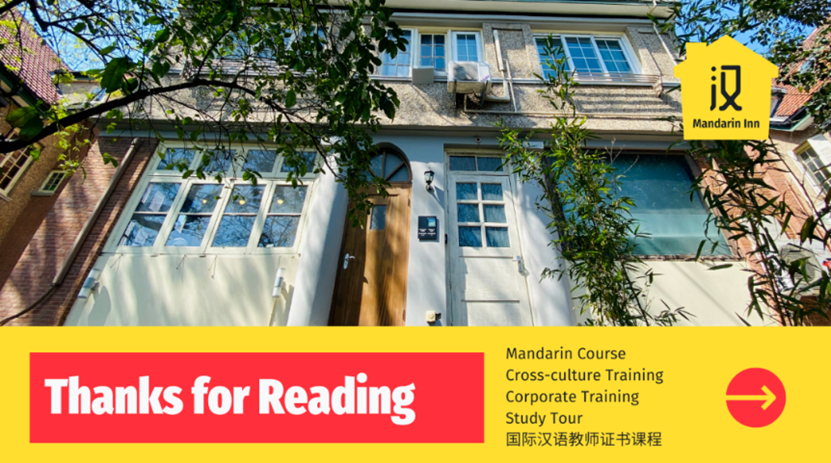
Mandarin Inn, More Than Just a Language School
Located in the scenic heart of Shanghai’s former French Concession, Mandarin Inn is housed in a historic villa, offering not only an ideal place for studying Mandarin but also a chance to experience Shanghai’s rich history and culture. As the home of the APM Public Library and recognized by Ecovadis for corporate social responsibility, Mandarin Inn carries a dual mission of education and cultural heritage.